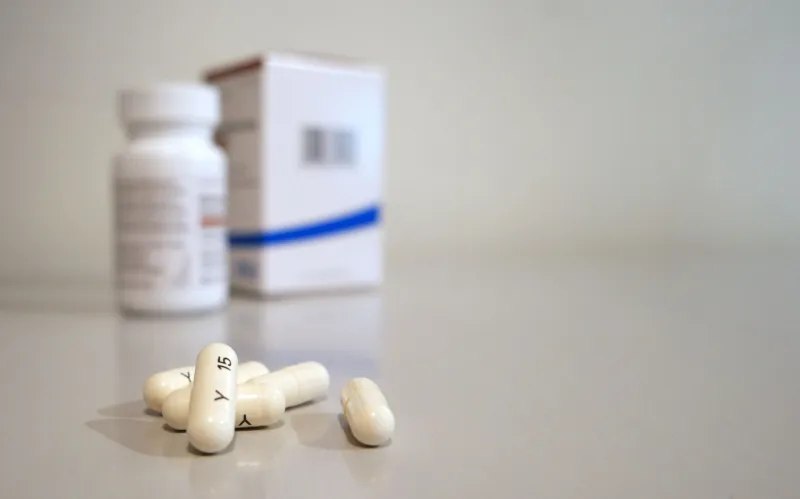
Past the Date on the Label: What Canadian Pharmacists Really Know About Expired Medications
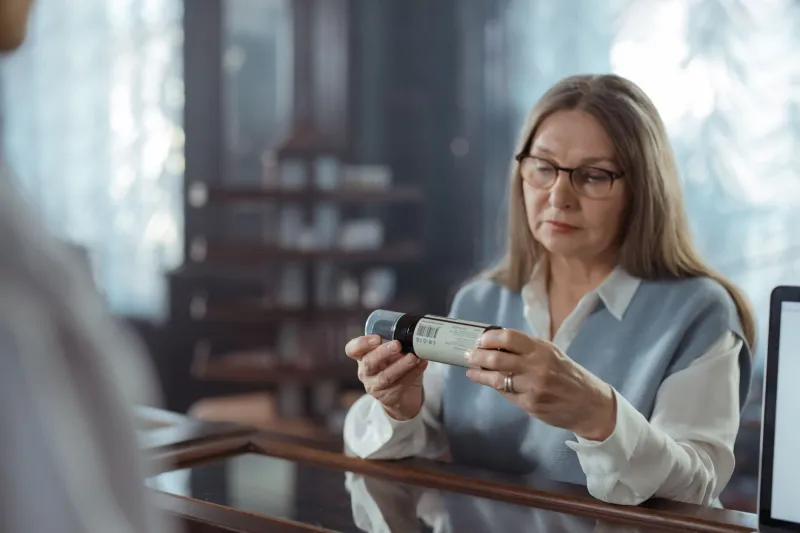
There is a quiet ritual that plays out in Canadian households every year: the medicine cabinet cleanout. Bottles are pulled from shelves, dates are checked, and anything that has passed its printed expiry is dropped into a pharmacy take-back bin or, less ideally, flushed down a drain. It feels responsible. It feels safe. And for the most part, it is a reasonable habit.
But if you were to ask a Canadian pharmacist what they actually know about those expiration dates—away from the counter, in a clinical conversation—you would likely hear something more complicated than "throw it out."
The reality is that medication expiry dates are not a simple line between safe and dangerous. They are a regulatory construct, a conservative estimate, and in many cases, a floor rather than a cliff edge.
What Health Canada's Regulations Actually Require
In Canada, manufacturers are required by Health Canada to establish expiry dates through stability testing. These tests measure how a drug product degrades under defined conditions of temperature, humidity, and light over time. The expiry date on your prescription bottle represents the point at which the manufacturer can guarantee, with supporting data, that the medication retains at least 90 percent of its labelled potency.
That threshold—90 percent—is important. It does not mean the medication becomes inert or dangerous the day after the date printed on the label. It means the manufacturer's data only covers the period up to that point. What happens after is not necessarily dramatic decline; it is simply uncharted territory from a regulatory standpoint.
Health Canada's framework is designed to protect patients from degraded medications, but it is also designed to be conservative. Manufacturers conduct testing under real-world timelines, and those timelines have practical limits. A drug approved with two years of stability data receives a two-year expiry, even if subsequent research might show it remains stable for considerably longer.
The Science Behind Degradation—And Why It Varies Enormously
Not all medications age the same way. This is one of the most clinically significant facts that pharmacists understand and that patients rarely encounter.
Some medications are chemically stable and degrade very slowly under proper storage conditions. Many solid oral dosage forms—tablets and capsules stored in cool, dry environments—fall into this category. Studies conducted on military stockpiles in the United States, where researchers tested medications held well beyond their expiry dates, found that a substantial proportion retained close to full potency years after expiration. Antihistamines, certain analgesics, and some cardiovascular medications showed particular stability.
Other medications, however, degrade in ways that are clinically meaningful—or even dangerous. Liquid formulations are generally less stable than solid forms. Medications that require refrigeration are particularly vulnerable to improper storage. Tetracycline antibiotics have historically been associated with a degradation pathway that produces compounds potentially harmful to the kidneys, though the clinical significance of this in modern formulations remains debated. Nitroglycerin, used for angina, is known to lose potency relatively quickly, which matters acutely when someone depends on it during a cardiac event.
The pharmacist's knowledge here is not just academic. It informs patient counselling. When someone asks whether it is acceptable to take an expired ibuprofen tablet for a headache, the clinical calculus is very different from someone asking whether they should use an expired insulin pen or an expired EpiPen in an emergency.
When Expired Medications Become Genuinely Dangerous
There are specific categories where expiry dates carry real clinical weight, and Canadian patients should understand them clearly.
Emergency medications sit at the top of this list. Auto-injectable epinephrine, used to treat anaphylaxis, and nitroglycerin, used during angina episodes, must be replaced promptly when expired. In life-threatening situations, reduced potency is not an acceptable margin of error. A patient reaching for an expired EpiPen during a severe allergic reaction may receive a subtherapeutic dose at the worst possible moment.
Liquid antibiotics, particularly those reconstituted from powder at the pharmacy, have short expiry windows—often seven to fourteen days—for reasons directly tied to microbial stability. Using a leftover liquid antibiotic well past this window is genuinely inadvisable.
Insulin and other biologics are protein-based medications that degrade in ways that affect both potency and safety. Expired insulin may not control blood glucose effectively, which carries serious consequences for patients with diabetes.
Eye drops and topical preparations can develop microbial contamination over time, particularly after opening, making post-expiry use a meaningful infection risk.
Outside these categories, the risk profile of expired medications is often lower than patients assume—though this should never be taken as a general endorsement of using expired drugs.
The Storage Variable Most Canadians Overlook
Here is a fact that complicates the expiry date question considerably: the printed date assumes the medication has been stored correctly from the moment it left the manufacturer.
In Canadian homes, medications are frequently stored in bathrooms—warm, humid environments that accelerate chemical degradation. A medication stored in a steamy bathroom for eighteen months may be less stable than its expiry date suggests. Conversely, a medication stored in a cool, dry location in its original sealed packaging may retain potency beyond the printed date.
Storage conditions matter as much as the date itself. Canadian pharmacists routinely counsel patients on proper storage precisely because the expiry date is only valid when storage has been appropriate.
What to Do With This Information
None of this is an argument for ignoring expiry dates or building a stockpile of expired medications. Health Canada's regulations exist for good reason, and the conservative approach to expiry is a feature of a well-functioning drug safety system.
But it is an argument for nuance—and for having a conversation with your pharmacist rather than making unilateral decisions about expired medications in your cabinet.
If you discover an expired medication and are unsure whether to use it, consider the following:
- Is it an emergency medication? Replace it immediately, without exception.
- Is it a liquid, biologic, or refrigerated product? Err firmly on the side of disposal.
- Is it a solid oral medication stored in appropriate conditions? Speak with your pharmacist about the specific drug before making a decision.
- How far past the expiry date is it? A few weeks is different from several years.
Your pharmacist is the right person to consult. They have access to drug stability data, knowledge of the specific formulation in question, and the clinical training to give you a reasoned answer—not just a reflexive instruction to discard.
Disposing of Medications Properly in Canada
For those medications that do need to be disposed of, Canada has a well-established return system. Most Canadian pharmacies accept unused and expired medications for safe disposal through provincial take-back programmes. This is environmentally important: medications flushed down drains or placed in household waste can enter water systems and affect ecosystems.
Check with your local pharmacy or visit your provincial health authority's website for guidance on medication disposal in your region.
A More Informed Approach to Your Medicine Cabinet
Expiry dates serve a vital function in Canada's drug safety framework. But they are a starting point for a clinical conversation, not the final word on a medication's usefulness or safety. Understanding what those dates actually represent—and knowing which categories of drugs demand strict adherence versus which allow for more nuanced assessment—puts Canadian patients in a better position to manage their medications thoughtfully.
When in doubt, ask your pharmacist. That is precisely the kind of question they are trained to answer.